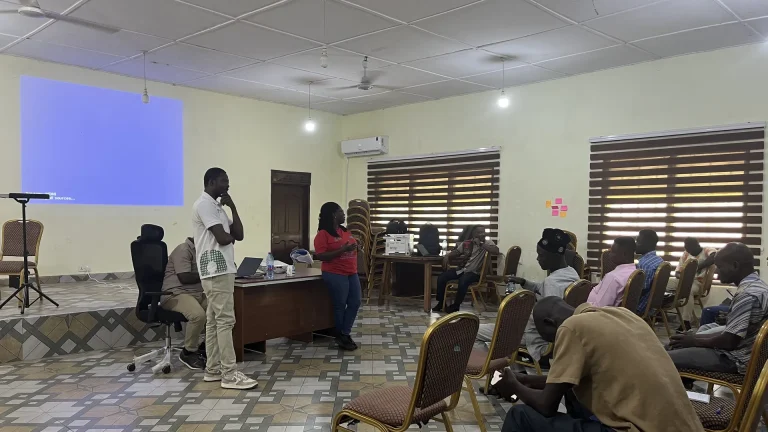
In the quest for effective and inclusive decision-making, community empowerment emerges as a vital tool. Recognizing the importance of empowering vulnerable citizens to actively participate in governance processes, Independent Minds Association (IMA) has taken significant steps. They’ve formed five Citizen Voice and Action (CVA) groups, each comprised of 35 members who are poised to drive change in their communities.
When establishing these CVA groups, IMA strategically considered diversity. Each group represents a cross-section of the community, including youth representatives, women representatives, religious leaders, farmers’ groups, and opinion leaders. This thoughtful approach ensures that all voices are heard and valued, promoting inclusivity in the decision-making process.
To equip these CVA groups with the skills and knowledge needed to carry out grassroots advocacy and influence policies, IMA provided comprehensive training. The overarching goal is to enhance equitable access to essential services, including food security, nutrition, education, health, and Water, Sanitation, and Hygiene (WASH). Additionally, the program aims to promote women’s and children’s empowerment within these communities.
The training extended to various facets of governance, where members gained valuable insights into government policies concerning agriculture, WASH, health, education, and child safety. Equipped with this knowledge, they are better prepared to engage with authorities and drive positive changes within their communities.
One of the standout features of this initiative is the utilization of Citizen Score Cards (CSCs). Members of the CVA groups were not only trained on how to effectively use CSCs but also on the importance of generating evidence and public opinions. These tools become essential for compelling advocacy that leads to real change.
Furthermore, the training encompassed understanding the intricacies of governance decision-making processes. It provided members with a deeper comprehension of how to work effectively in a team, fostering collaboration and cohesion within the CVA groups. Importantly, the program also taught them how to hold decentralized government departments and district assemblies accountable.
The impact of this initiative extends well beyond the 175 members of these CVA groups. It permeates the very fabric of the communities they represent. By empowering these individuals with the knowledge and skills to advocate for improved social services, IMA is nurturing a culture of accountability and inclusivity.
The success of these efforts serves as a testament to the power of community empowerment, driven by education and collaboration. These CVA groups are not just advocating for change; they are embodying it, fostering a brighter and more equitable future for their communities.