Disasters are increasing in both frequency and intensity across the globe, posing significant threats to lives, livelihoods, and sustainable development. According to the United Nations Office for Disaster Risk Reduction, climate-related hazards such as floods, droughts, wildfires, and storms have nearly doubled over the past two decades (UNDRR, 2020). These events disproportionately affect vulnerable populations, particularly in developing countries where adaptive capacity is limited.
At the global level, frameworks such as the Sendai Framework for Disaster Risk Reduction emphasize the importance of strengthening local resilience, enhancing early warning systems, and promoting community driven approaches to disaster risk management. These priorities highlight the critical need for proactive planning and inclusive participation at all levels.
In Ghana, the impacts of climate change are becoming increasingly evident. The country continues to experience recurrent floods, prolonged droughts, erratic rainfall patterns, pest outbreaks, and conflicts over natural resources. Institutions such as the National Disaster Management Organization (NADMO) and other key stakeholders play a critical role in coordinating disaster risk reduction efforts. However, challenges remain, particularly at the community level, where limited preparedness, weak early warning systems, and inadequate local planning frameworks exacerbate vulnerability.
In the upper East and West Regions, especially the BORDER Project Communities, such as Issahakatinga, Bansi, Tarikom, Fielmo and Zini face compounded risks, due to the influc of refugees from Burkina Faso into these communities. These include seasonal flooding, dry spells affecting agricultural productivity, bushfires, pest and disease outbreaks, and increasing tensions over land and water resources. The absence of structured, community led disaster preparedness plans often leaves households exposed and reactive rather than proactive in managing risks.
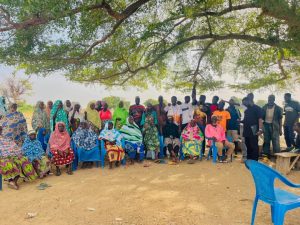
In response to these challenges, RACED Ghana, with Technical Support from World Vision Ghana, under BORDER Project has supported the above communities to develop comprehensive Community Disaster Preparedness Plans. This initiative is grounded in the recognition that sustainable disaster risk management must be community driven, inclusive, and context-specific.
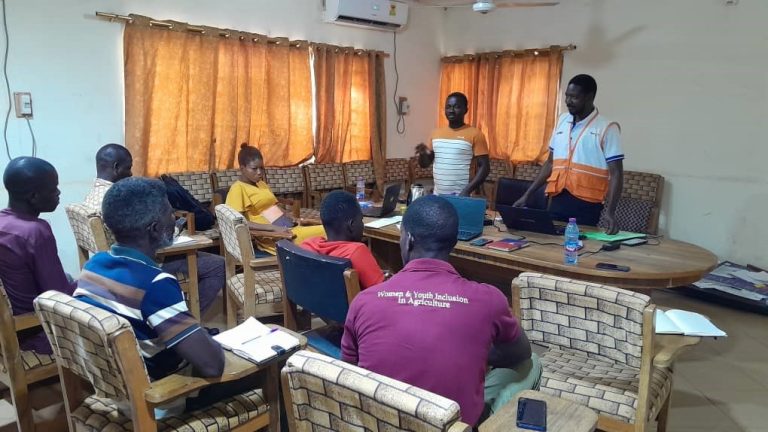
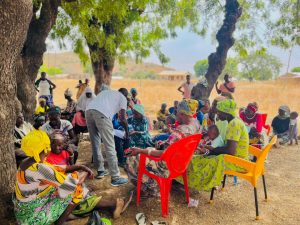
The intervention adopted the Community-Owned Vulnerability and Capacity Assessment (COVACA) tool, a participatory approach that empowers communities to identify their own risks, capacities, and solutions. The process ensured broad stakeholder engagement, bringing together traditional authorities (chiefs, elders, and queen mothers), District Assembly officials (including Planning Units, NADMO, and Community Development Officers), religious leaders, teachers, health workers, youth groups, women’s groups, farmers, and other community volunteers.
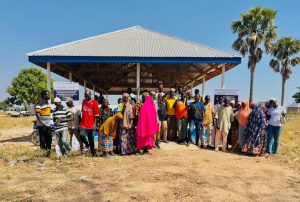
Through a series of facilitated sessions, communities undertook detailed hazard mapping to identify key risks affecting their areas. This was followed by data validation and prioritization exercises to ensure that the most critical threats were addressed. Participants conducted hazard and risk analyses, developed seasonal food and production calendars to understand vulnerability patterns throughout the year, and assessed existing community capacities and coping mechanisms.
Building on this analysis, communities collaboratively designed practical mitigation and adaptation strategies tailored to their specific contexts. They also identified early warning signs for potential disasters and established clear action plans outlining roles, responsibilities, and response mechanisms.
The resulting Community Disaster Preparedness Plans are designed as living documents, flexible, regularly updated, and owned by the communities themselves. These plans provide a structured framework for anticipating risks, reducing vulnerabilities, strengthening local institutions, and improving coordination with district-level authorities.
Beyond disaster response, the initiative contributes to building social cohesion and reducing conflicts, particularly in areas where competition over scarce resources is a growing concern. By integrating conflict sensitivity and “Do No Harm” principles, the plans also support peaceful coexistence and sustainable resource management.
Ultimately, this initiative reflects RACED Ghana commitment to strengthening grassroots resilience, promoting inclusive governance, and supporting communities to adapt to the evolving challenges of climate change and environmental stress. By placing communities at the center of disaster preparedness, RACED Ghana is helping to transform vulnerable populations into resilient actors capable of safeguarding their futures.