
Economic empowerment of women is a pivotal strategy in addressing gender inequality, reducing poverty, improving access to food and nutrition services, and combating climate change and its adverse effects. Recognizing the multifaceted impact of empowering women, Independent Minds Association (IMA), with generous funding from World Vision, Ghana, embarked on a transformative journey in Zokurli Community. Their mission? To empower and support 30 women to excel in dry season vegetable farming.
The initiative aimed to empower these women with the knowledge and resources needed to take charge of their economic well-being. A fundamental aspect of this empowerment was the training provided by IMA and World Vision. This training covered the entire spectrum of dry season farming, from sustainable agriculture practices to leadership and conflict resolution.
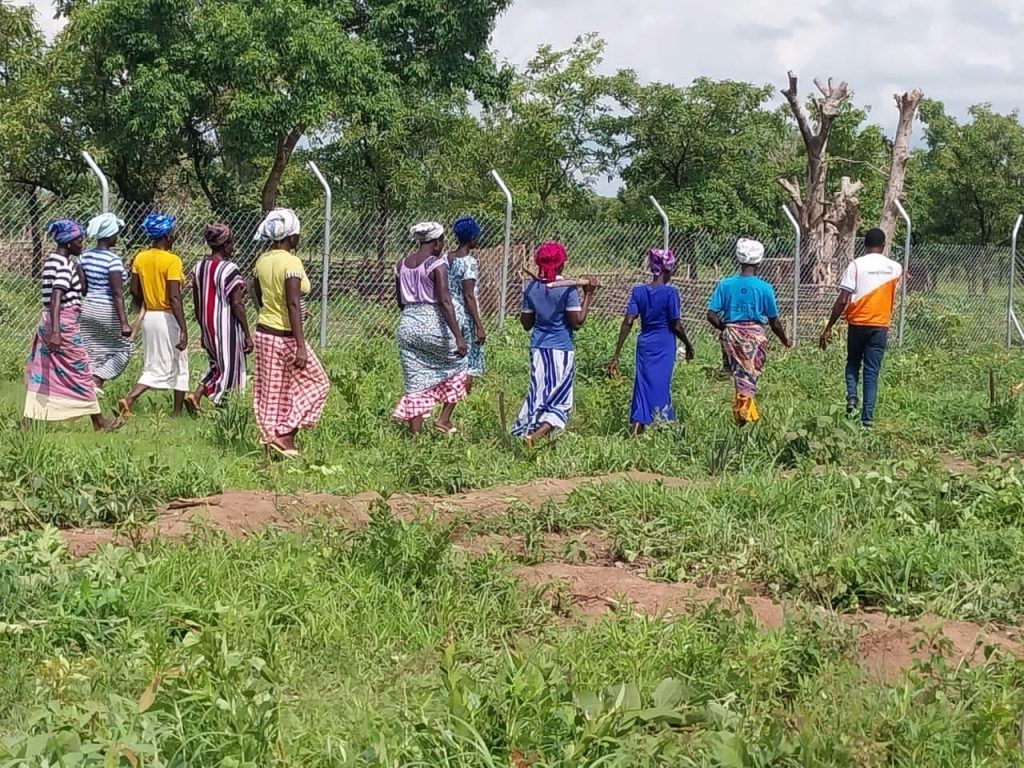
These women, eager to embark on their journey in dry season farming, gained essential knowledge on various aspects of farming. They learned the art of selecting improved seeds, preparing the land, creating nursery beds, transplanting, applying fertilizers, and effectively managing pests. This comprehensive training was designed to equip them with the necessary skills to maximize their agricultural productivity.
One of the critical aspects of this initiative was the provision of inputs to the women, particularly improved seeds for a variety of vegetables. These included peppers, garden eggs, okra, tomatoes, and cabbage seeds, all of which were carefully selected to suit the dry season farming conditions. These inputs were essential for initiating and sustaining successful farming ventures.
In a region where access to water can be a significant challenge, IMA and World Vision also addressed this issue. They drilled and installed solar-mechanized boreholes, ensuring that the women had a consistent and reliable water source to support their dry season farming activities.
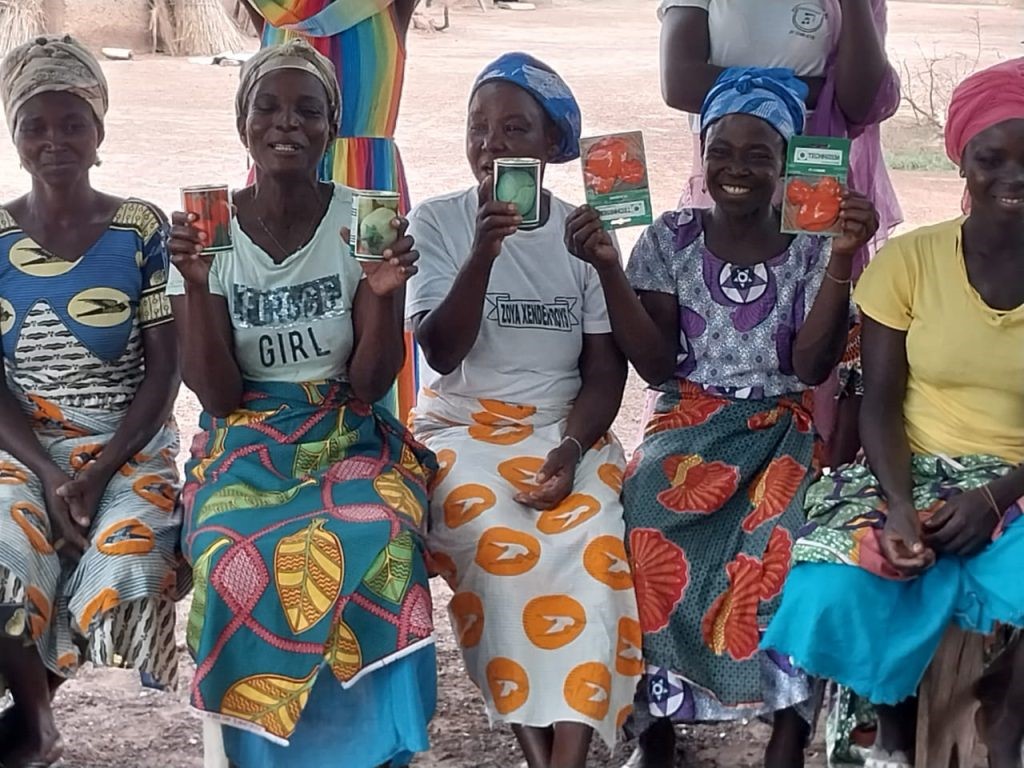
However, empowerment goes beyond just practical skills and resources. The beneficiaries were also exposed to training on leadership, participatory decision-making, teamwork, and conflict resolution and management. These skills are invaluable, not only for their roles in farming but for their broader applications in the community and beyond.
The impact of this initiative extends far beyond the 30 women directly involved. It ripples through the community, promoting economic self-sufficiency, reducing gender inequality, and ultimately contributing to a brighter and more sustainable future for all.
As they embark on their dry season farming journeys, these empowered women are not only cultivating crops but also cultivating resilience, self-reliance, and leadership. Their stories serve as an inspiring example of how targeted interventions can foster positive change and drive progress in even the most challenging environments. The success of this initiative is a testament to the power of education, support, and economic empowerment.

